Introduction: Why Engine Oil Change Matters
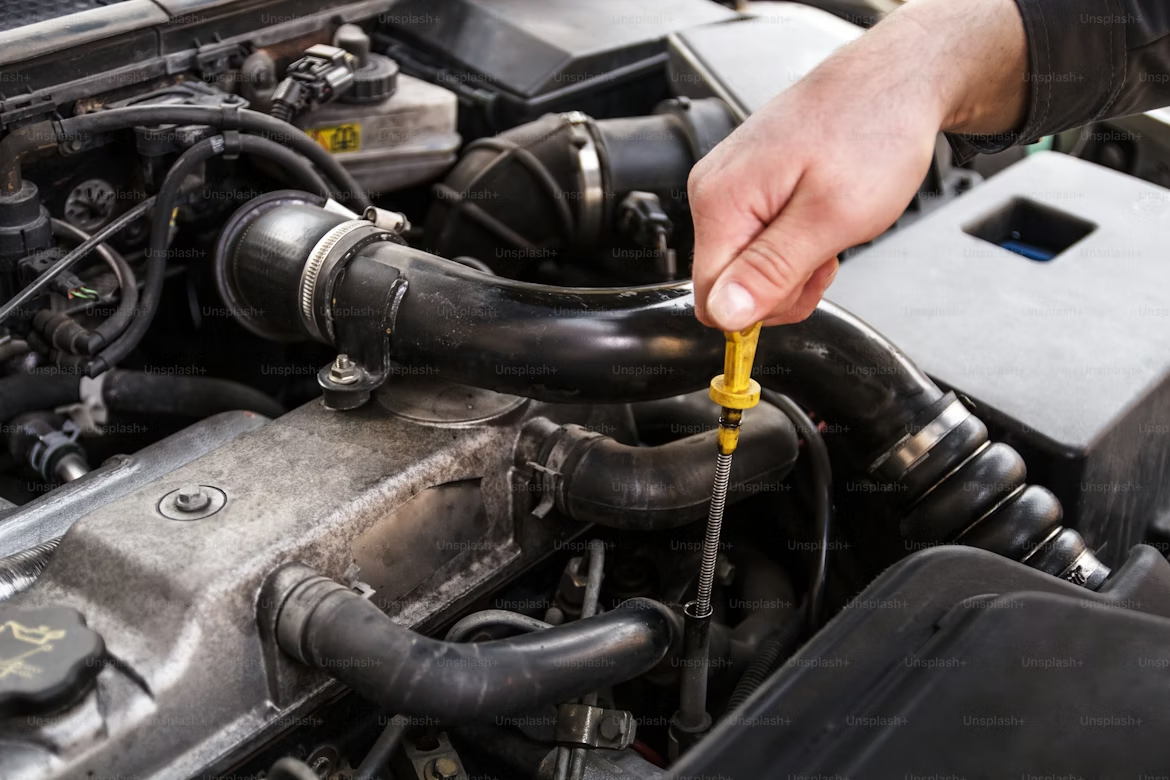
Engine oil change is one of the most important parts of car maintenance. Regular oil changes keep your engine running smoothly, prevent wear, and maintain performance. Knowing how often to change engine oil depends on your oil type, driving habits, and engine type. This guide explains recommended oil change intervals, oil types, signs your car needs an oil change, and practical tips to keep your engine healthy.
How Engine Oil Works
Engine oil lubricates moving parts and reduces friction. It absorbs heat, removes contaminants, and prevents corrosion. Without proper lubrication, engine parts wear quickly. This can reduce efficiency and cause costly repairs. There are different oil types: conventional, semi-synthetic, and full synthetic. Full synthetic oil resists heat and oxidation. It is ideal for modern engines, especially turbocharged ones.
Recommended Engine Oil Change Intervals

Manufacturers suggest changing oil every 5,000–10,000 kilometers or every three to six months. Conventional oil usually needs more frequent changes. Synthetic oils last longer because they are more stable. Vehicles with “long-life” oils may go up to 15,000 kilometers. Real-world conditions affect intervals. City driving, extreme weather, heavy loads, towing, and aggressive driving can degrade oil faster. Oil quality and additives also influence how long oil can protect your engine.
| Oil Type | Typical Interval | Notes |
|---|---|---|
| Conventional | 5,000 km / 3 months | Suitable for older vehicles and lower cost |
| Semi-synthetic | 7,500–10,000 km / 6 months | Balanced performance and cost |
| Full synthetic | 10,000–15,000 km / 6–12 months | High performance, ideal for modern engines |
Signs You Need an Engine Oil Change
Sometimes, oil needs to be changed sooner than recommended. If the oil looks dark and dirty, or contains metallic particles, it is no longer effective. Engine knocking or unusual noises can appear. Dashboard warning lights may turn on, and fuel efficiency can drop. These signs indicate your engine needs an immediate engine oil change to prevent damage and maintain performance.
How to Change Engine Oil
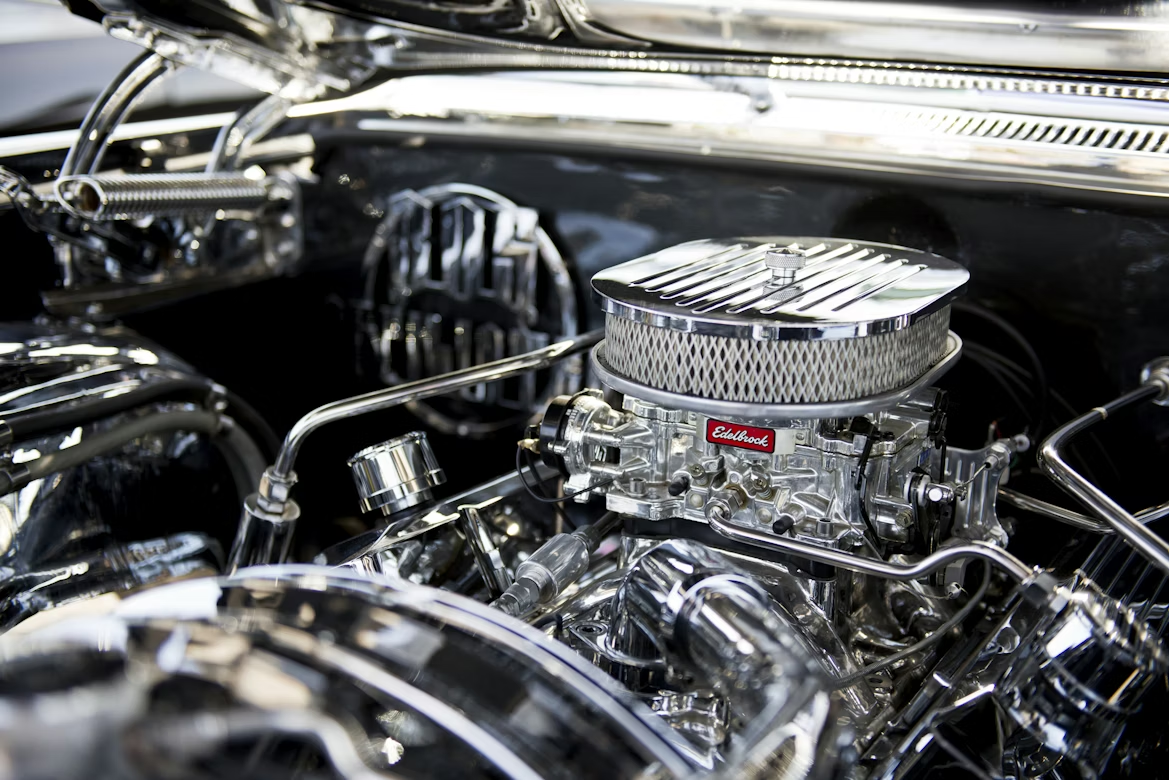
Oil changes can be done at a service center or at home. Always follow safety precautions. Make sure the engine is off and cooled. Use a pan to catch old oil, remove the drain plug carefully, replace the oil filter, and refill with the correct oil. Dispose of used oil at an authorized recycling center. Certified mechanics ensure proper handling, while DIY drivers can safely follow these steps at home.

Common Myths About Engine Oil Changes
Some drivers think that low mileage means oil doesn’t need changing, or that synthetic oil lasts forever. Others assume oil change intervals do not affect engine life. These are incorrect. Oil degrades over time due to heat and contaminants, regardless of mileage. Ignoring oil changes can shorten engine life. Following manufacturer guidelines and adjusting for driving conditions is the best way to protect your engine.

Cost Considerations
Conventional oil is cheaper but requires frequent service. Synthetic oil costs more upfront but allows longer intervals. Regular engine oil changes reduce the chance of costly repairs, maintain fuel efficiency, and ensure reliable performance over time.
Conclusion
Timely engine oil changes are essential for engine health, performance, and longevity. Intervals vary by oil type, engine, driving style, and climate. Monitor oil condition and follow manufacturer recommendations. Understanding oil’s importance and sticking to a maintenance schedule helps prevent damage, improve fuel economy, and ensures a smooth, reliable driving experience for years.