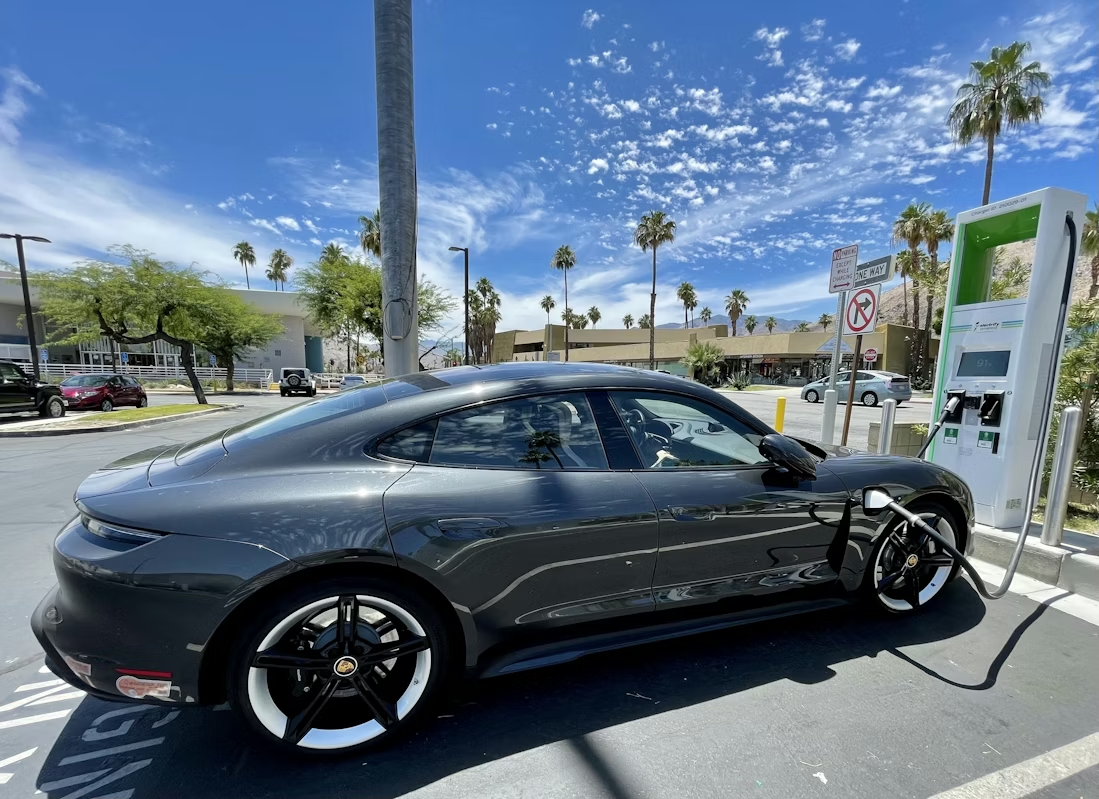
Electric vehicles (EVs) operate through an integrated electric powertrain that converts stored electrical energy into mechanical motion with high efficiency and precise control. Unlike internal combustion vehicles, EVs rely on batteries, inverters, electric motors, and thermal management systems working together as a unified platform to deliver acceleration, driving range, reliability, and long-term durability. Understanding how […]
The Development of New Energy Vehicles: Driving the Future of Mobility
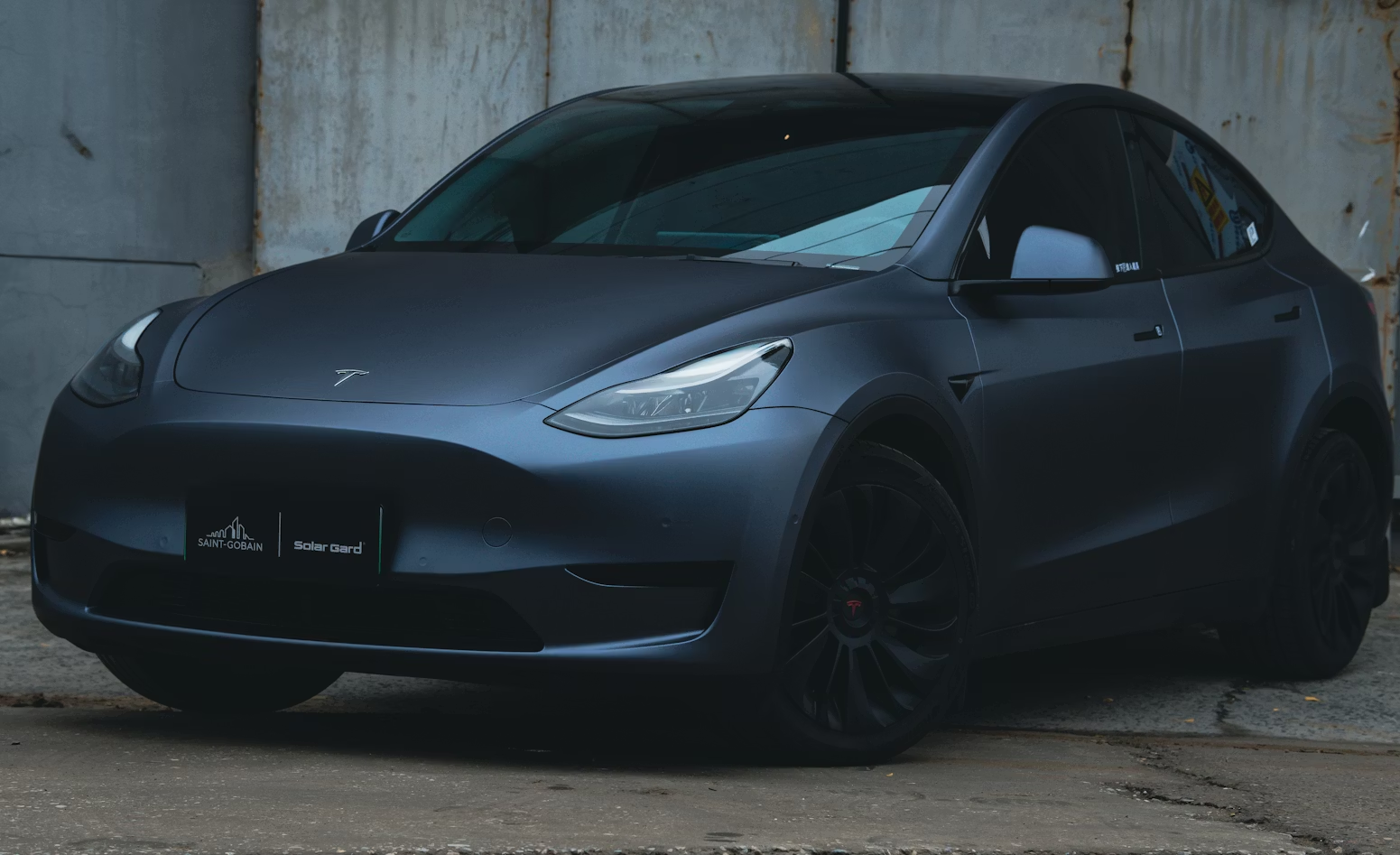
Over the past decade, the global automotive industry has undergone a profound transformation. New Energy Vehicles (NEVs), including battery electric vehicles (BEVs), plug-in hybrid electric vehicles (PHEVs), and hydrogen fuel cell vehicles (FCEVs), are rapidly reshaping the way people move, commute, and interact with transportation. Driven by environmental concerns, technological innovation, and supportive government policies, […]
Pure Electric vs Hybrid Vehicles: Which Powertrain Makes More Sense in Real-World Driving?

Consumers choosing between pure electric vehicles (BEVs) and hybrid powertrains face a decision that goes far beyond environmental headlines. In real-world use, the differences between these systems play out across daily commuting, long-distance travel, energy costs, climate effects, infrastructure availability, and long-term ownership. To bring clarity to the debate, this article benchmarks specific vehicles representing […]
Battery Technology in 2026: What Actually Changed for EV Owners

Battery technology has always been the most talked-about part of the electric vehicle story. Headlines often promise revolutions—solid-state breakthroughs, ultra-fast charging, million-mile batteries—but for everyday EV owners, progress tends to arrive more quietly. By 2026, battery technology has not radically transformed electric cars overnight. Instead, it has evolved in practical, meaningful ways that directly affect […]
Why Charging Speed Matters More Than Range for Most EV Buyers

For years, electric vehicle marketing has focused heavily on range. Bigger numbers promised freedom, confidence, and fewer compromises. Yet as EV adoption matures, real-world ownership experience tells a different story. For most drivers, charging speed now plays a more decisive role than maximum range in determining daily convenience, travel flexibility, and long-term satisfaction. After extensive […]
How the Global Chip Shortage Is Reshaping Vehicle Electronics Architecture

The global semiconductor shortage did more than delay vehicle deliveries and inflate prices. It quietly forced the automotive industry to rethink how cars are designed at the electronic and software level. What once looked like a stable, incremental evolution of electronic control units, wiring architectures, and supplier relationships suddenly became a strategic vulnerability. As production […]
From BMW M2 to M5: How Engineering Philosophy Shapes Performance and Driving Character

BMW’s M division is not simply a ladder of increasing horsepower, but a carefully engineered performance spectrum. From the compact and highly focused M2 to the technologically advanced and immensely powerful M5, each model reflects a different solution to the same engineering challenge: how to balance power delivery, vehicle mass, chassis control, and driver involvement. […]
Hydrogen vs Battery Electric Powertrains: Tech Tradeoffs in Efficiency, Refueling, and Infrastructure

Electric vehicles (EVs) are no longer a niche; they are a defining trend in transportation’s evolution. Alongside battery electric vehicles (BEVs), hydrogen fuel cell electric vehicles (FCEVs) represent a compelling alternative — one that has sparked significant debate among engineers, policymakers, and drivers. At a glance, both technologies promise zero tailpipe emissions and reduced dependence […]
Fast Charging vs Home Charging: Cost, Battery Degradation, and Daily Convenience Compared
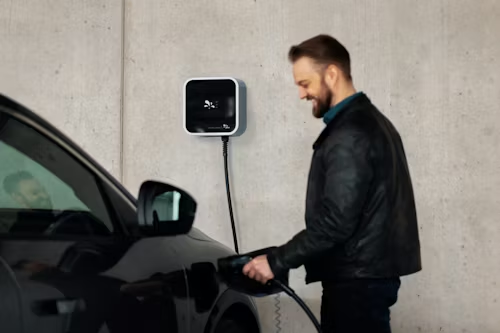
Electric vehicles (EVs) have revolutionized personal transportation, but charging habits remain one of the most critical factors affecting ownership experience. The debate between fast charging and home charging extends beyond mere convenience, touching on cost, battery longevity, daily routines, and even long-term vehicle value. Understanding the trade-offs is essential for both new EV owners and […]