Modern car owners often believe that frequent servicing protects their vehicles. In reality, excessive maintenance increases ownership costs without improving reliability. Vehicle technology continues to advance, and manufacturing quality improves every year. Maintenance strategies must evolve as well. Drivers should focus on real mechanical needs instead of sales-driven service plans.
Smart maintenance reduces wasted spending. It also lowers workshop visits and improves cost predictability. Most importantly, it protects long-term vehicle durability.

Focus on Real Maintenance Needs
Every maintenance plan should start with the vehicle’s official maintenance manual. It provides accurate service intervals and technical requirements. However, real driving conditions also matter. Traffic congestion, climate, driving habits, and payload affect wear.
Drivers should adjust service timing based on usage patterns. This approach delivers better accuracy than generic recommendations. It also prevents unnecessary early servicing.

Engine Oil: The Most Over-Serviced Item
Dealers often promote short oil change intervals. Many still recommend replacement every 5,000 kilometers or six months. For most vehicles using full synthetic oil, this interval is unnecessary.
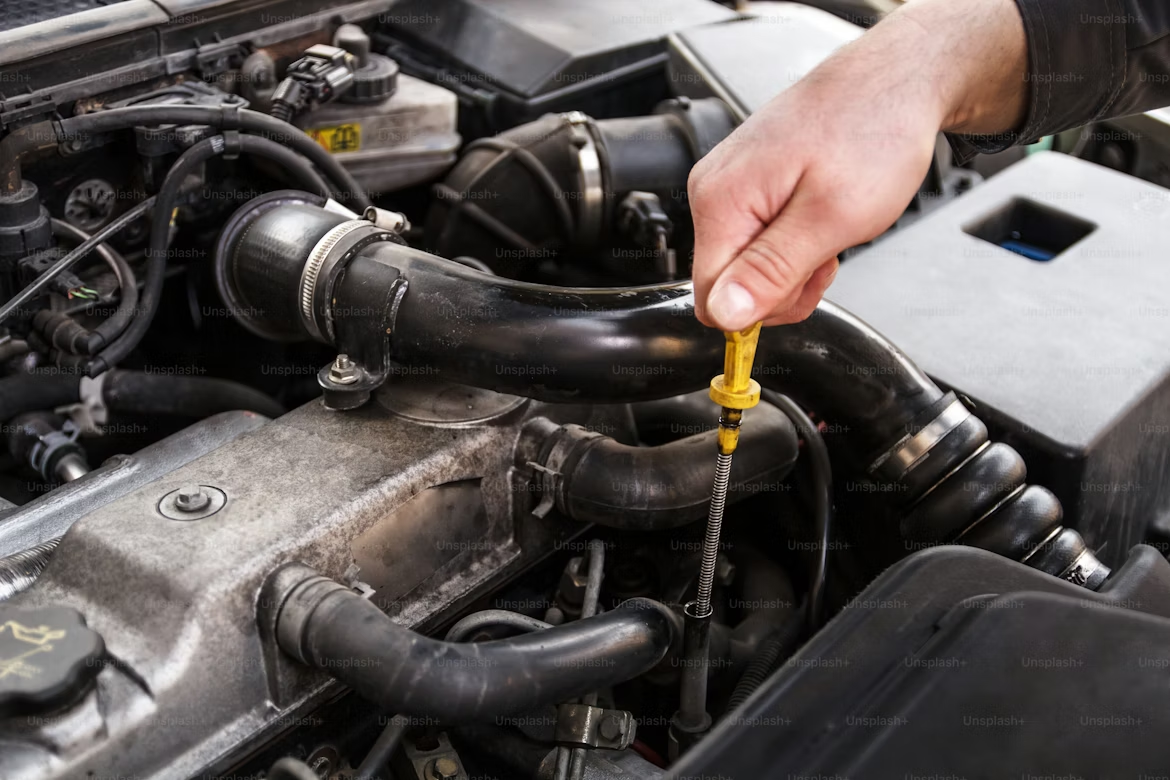
Under normal driving conditions, oil replacement every 10,000 to 12,000 kilometers or twelve months works well. Drivers can also check oil condition manually. Place a small oil drop on a paper towel. Heavy dark contamination near the edges indicates replacement time.
This method improves decision accuracy. It prevents overspending while protecting engine health.

Services That Are Often Over-Sold
Some services offer limited real-world benefit. Engine internal cleaning rarely delivers measurable improvement. It only makes sense for high-mileage engines or poor maintenance history.
Throttle body cleaning should follow symptoms. Rough idle or hesitation signals the need for cleaning. A normal interval ranges between 30,000 and 40,000 kilometers. Skilled owners can perform this service themselves to reduce costs.
Transmission fluid deserves serious attention. Ignore the “lifetime fluid” claim. Automatic transmissions perform best with fluid replacement every 60,000 to 80,000 kilometers. CVT units require shorter intervals. Always use the manufacturer-approved fluid specification.

Critical Items That Many Owners Ignore
Brake fluid absorbs moisture over time. Replace it every two years regardless of mileage. Fresh fluid improves braking response and safety.
Rotate tires every 20,000 kilometers. This practice ensures even wear and stable handling. Adjust tire pressure slightly by season to maintain grip and comfort.
Vehicle batteries usually weaken after three years. Slow cranking and unstable lighting indicate aging. Online replacement options often cost less and include installation.

Maintenance Differences for New Energy Vehicles
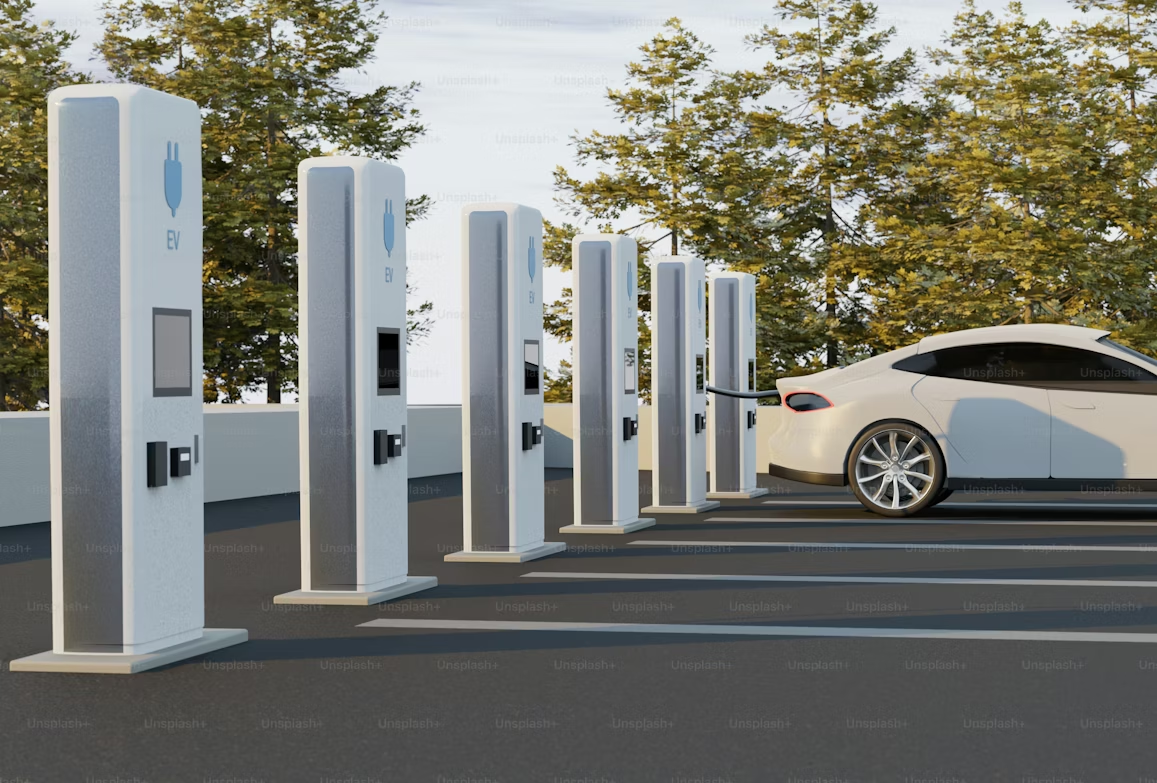
Electric vehicles require different priorities. Battery health management plays a central role. Daily charging should stay near 80 percent when possible. Perform one slow full charge per month for calibration.
Inspect motor cooling fluid every two years. Always use original manufacturer coolant. Regenerative braking reduces brake pad wear. However, regular thickness inspection remains necessary for safety.

Maintenance Records Protect Resale Value
Complete maintenance records increase resale confidence. Buyers trust documented service history. Organized invoices and digital photos improve transparency. Proof of genuine parts also supports higher valuation.
Final Thoughts: Spend Wisely, Not Excessively
Effective maintenance begins with official guidelines. Real driving conditions refine those intervals. Drivers should remain cautious of sales-driven recommendations and anecdotal advice.
Smart maintenance focuses on efficiency and precision. It avoids waste while protecting reliability. In the long term, disciplined maintenance delivers lower ownership costs and stronger resale value.