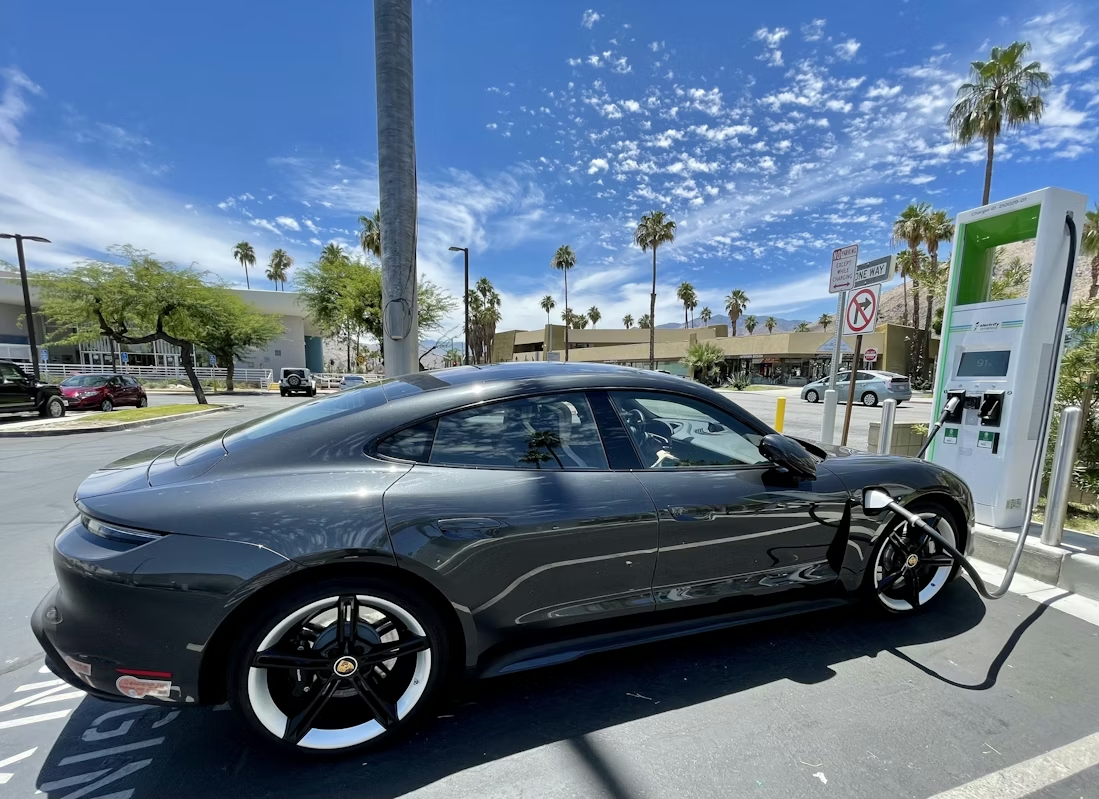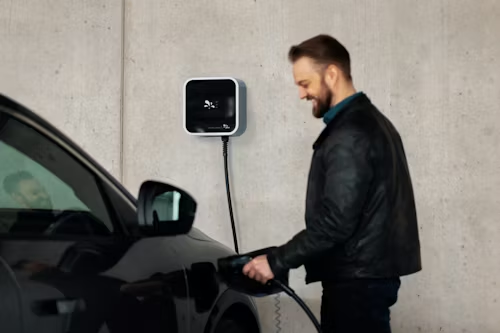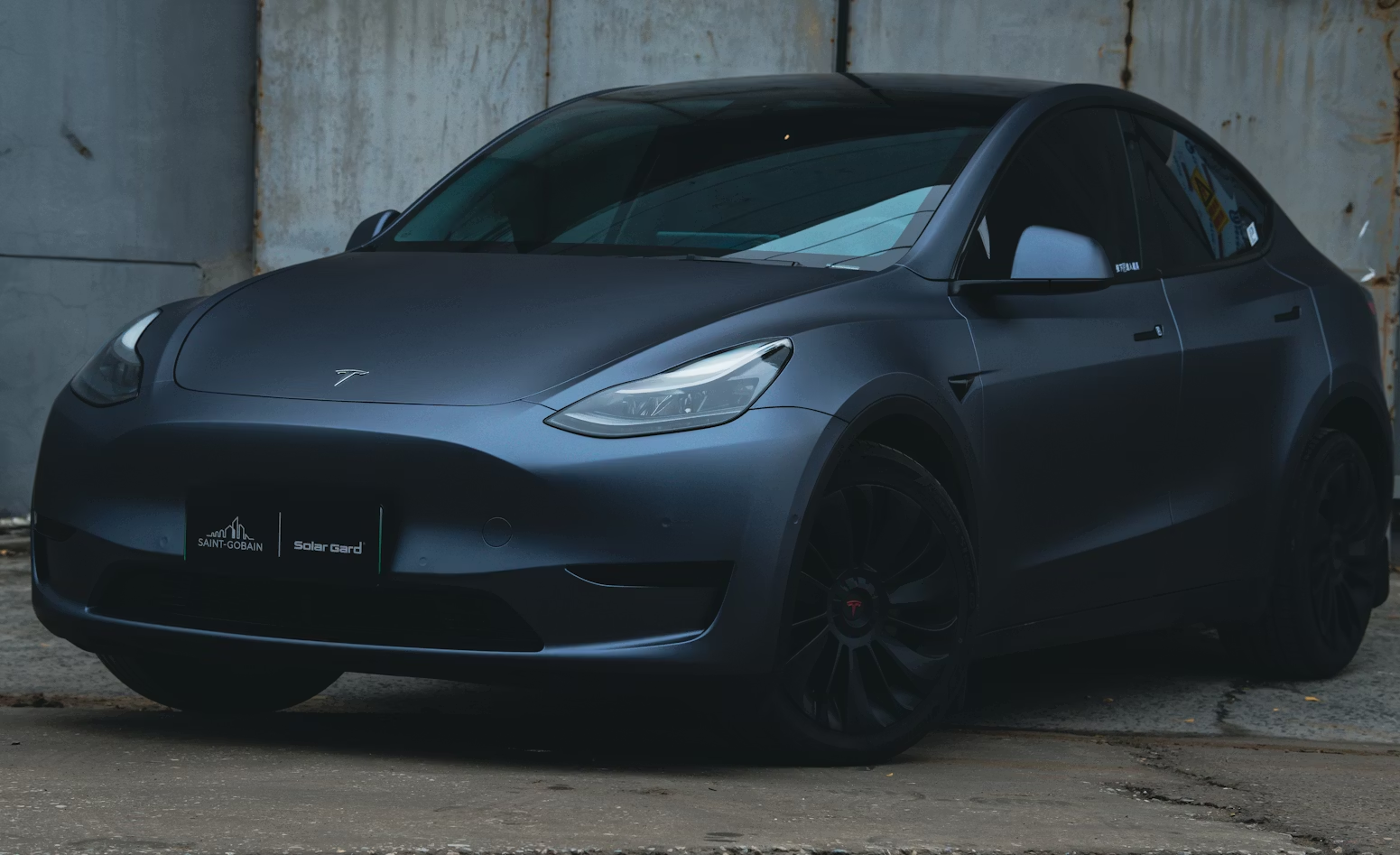
Over the past decade, the global automotive industry has undergone a profound transformation. New Energy Vehicles (NEVs), including battery electric vehicles (BEVs), plug-in hybrid electric vehicles (PHEVs), and hydrogen fuel cell vehicles (FCEVs), are rapidly reshaping the way people move, commute, and interact with transportation. Driven by environmental concerns, technological innovation, and supportive government policies, NEVs are no longer a niche market but a central pillar of the future mobility ecosystem.
One of the most important drivers behind the rise of NEVs is the urgent need to reduce carbon emissions and combat climate change. Traditional internal combustion engine vehicles remain a major source of greenhouse gas emissions and urban air pollution. In response, many countries have introduced stricter emission regulations, carbon neutrality targets, and incentives for electric vehicle adoption. Governments in Europe, China, and North America are investing heavily in charging infrastructure, offering tax benefits, and setting timelines to phase out gasoline-powered vehicles. These measures have significantly accelerated market adoption and consumer confidence.
Technological progress has also played a critical role in the development of new energy vehicles. Battery technology continues to improve in terms of energy density, charging speed, safety, and cost efficiency. The price of lithium-ion batteries has declined substantially over the past years, making electric vehicles more affordable for mass-market consumers. At the same time, advancements in software, power electronics, and lightweight materials have enhanced vehicle performance, driving range, and reliability. Fast-charging networks and smart energy management systems are further reducing range anxiety and improving user experience.
From a market perspective, global NEV sales have been growing at double-digit rates, with both established automakers and innovative startups competing aggressively. Traditional manufacturers are accelerating electrification strategies, launching dedicated EV platforms and expanding model portfolios across multiple segments. Meanwhile, new players are bringing fresh design concepts, digital ecosystems, and direct-to-consumer business models, intensifying competition and stimulating innovation across the industry.
However, challenges remain. Battery raw material supply, recycling systems, grid capacity, and charging accessibility still require long-term planning and investment. In some regions, uneven infrastructure development limits widespread adoption, especially in rural areas and emerging markets. In addition, ensuring sustainability throughout the entire lifecycle of electric vehicles—from mining and manufacturing to disposal and reuse—has become an increasingly important topic for regulators and manufacturers alike.
Looking ahead, the future of new energy vehicles is closely linked to intelligent connectivity, autonomous driving, and renewable energy integration. Electric vehicles are evolving into smart mobile terminals, capable of software updates, vehicle-to-grid interaction, and data-driven services. As renewable energy generation expands, EVs will play a vital role in balancing energy demand and supporting a cleaner, more resilient energy system.
In conclusion, new energy vehicles represent not only a technological upgrade but also a fundamental shift in transportation philosophy. With continuous innovation, policy support, and infrastructure development, NEVs will continue to drive the global transition toward sustainable, efficient, and intelligent mobility.