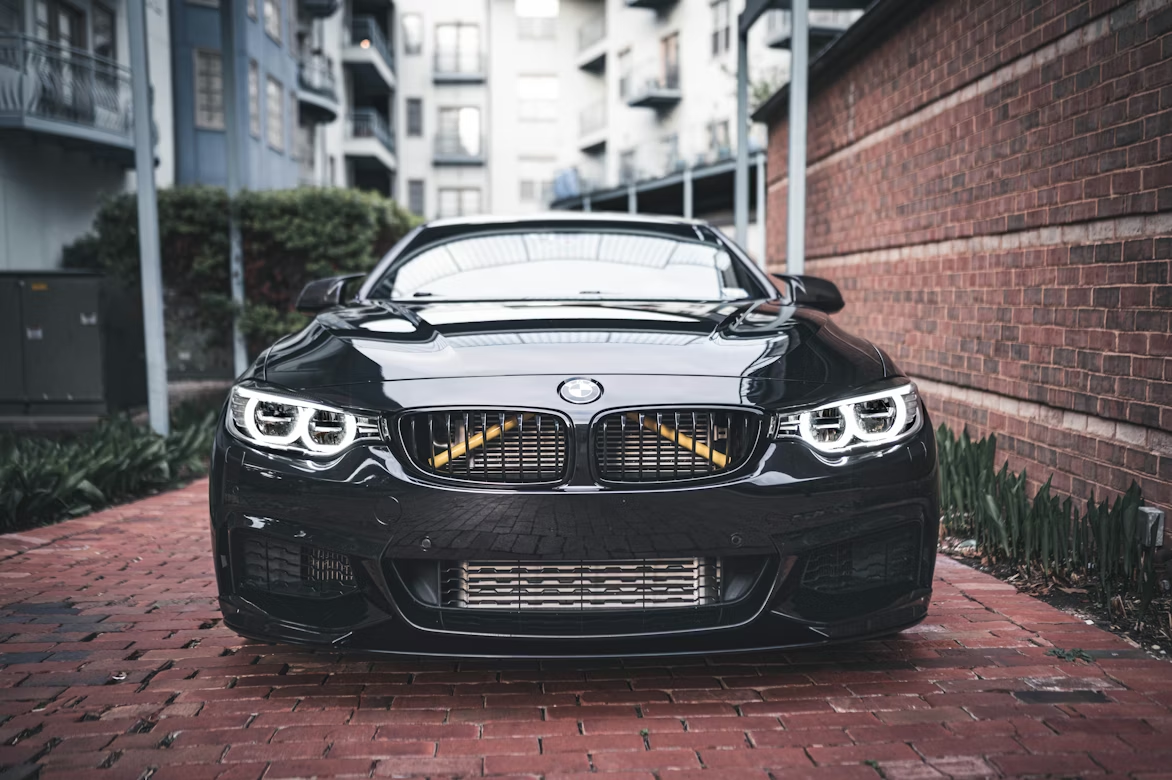
BMW iX5 Hydrogen represents the next step in fuel cell electric vehicles for the premium SUV segment. Unlike battery electric vehicles, the iX5 Hydrogen uses a hydrogen fuel cell system to generate electricity for the electric motors. This allows rapid refueling, extended range, and consistent performance under various driving conditions.
Hydrogen Powertrain and Driving Dynamics
The iX5 Hydrogen is equipped with a 125 kW fuel cell stack paired with a 70 kWh battery pack that stores energy for acceleration and regenerative braking. City driving benefits from smooth torque delivery and silent operation, while highway cruising demonstrates stable energy output and consistent handling. The hydrogen tanks are integrated under the floor to maintain a low center of gravity, contributing to SUV stability.
Real-World Driving Example
On a 300 km route combining urban streets and highways, the iX5 Hydrogen completed the journey without noticeable power drop. Acceleration from 0 to 100 km/h took 6.2 seconds, offering sufficient performance for overtaking and highway merging. The vehicle remained efficient even in sub-zero temperatures, maintaining steady range and motor responsiveness.
Hydrogen Refueling and Range
Hydrogen’s main advantage over battery-only EVs is refueling speed. Filling the iX5 Hydrogen takes 3 to 5 minutes at a high-pressure hydrogen station, providing around 600 km of range under standard conditions. This compares favorably to EVs, which require 20 to 40 minutes to achieve a similar range using fast chargers.
Real-World Refueling Scenario
During a trip between Munich and Stuttgart, the iX5 Hydrogen refueled at a public station in under four minutes. Unlike EV charging, the refueling process is unaffected by temperature or battery state of charge, providing a consistent and predictable experience. Limited hydrogen infrastructure outside major cities remains a practical consideration for potential owners.
Efficiency and Driving Modes
BMW integrates multiple driving modes to optimize hydrogen and battery use. Eco mode maximizes fuel cell efficiency and regenerative braking, while Sport mode allows full power delivery for rapid acceleration. The battery assists the fuel cell during sudden torque demands, ensuring smooth and responsive acceleration without compromising range.
Comparative Overview
| Feature | BMW iX5 Hydrogen | Battery Electric SUV | Notes |
|---|---|---|---|
| Range | ~600 km | 400-500 km | Hydrogen advantage on long trips |
| Refueling Time | 3-5 min | 20-40 min | Hydrogen refueling is faster than EV fast charging |
| Cold Weather Performance | Stable | Reduced range | Hydrogen less affected by temperature |
| Driving Dynamics | Low center of gravity, smooth torque | Often lighter, agile | Heavy tank placement slightly affects handling |
| Acceleration 0-100 km/h | 6.2 s | 5.5-6.5 s | Comparable to premium EV SUVs |
Personal Insights
The BMW iX5 Hydrogen combines the quiet, instant-torque feel of electric SUVs with the practical advantage of rapid refueling. Its consistent performance in both urban and highway environments makes it suitable for drivers seeking long-range mobility without relying solely on charging infrastructure. Handling remains confident, though drivers should note the effect of tank weight on sharp maneuvers.