Why Winter Car Care Matters in Cold Weather
Winter car care becomes critical when temperatures drop and road conditions become unpredictable. Cold air affects almost every system in a vehicle, from engine lubrication and battery efficiency to tire grip and braking stability. Snow, ice, moisture, and road salt accelerate wear and corrosion, while reduced daylight and fogged windows increase safety risks. Practicing proper winter car care protects your vehicle from mechanical damage and improves daily driving confidence throughout the cold season.
I learned this lesson during a winter road trip when a weak battery struggled to start after a freezing night in an open parking lot. A quick jump-start solved the problem, but the delay could have been avoided with a simple battery inspection beforehand. Since then, seasonal preparation has become part of my routine maintenance.
How Low Temperatures Affect Engine Performance and Vehicle Systems
Low temperatures change how fluids flow and how materials behave inside a vehicle. Engine oil thickens in cold weather, which increases resistance during cold starts and raises internal friction until proper operating temperature is reached. Battery chemistry slows down, reducing available cranking power and making older batteries especially vulnerable. Tire pressure naturally drops as air contracts, which reduces contact patch stability and increases rolling resistance. Moisture can freeze in door seals, brake components, and fuel lines, while road salt accelerates corrosion on paintwork, suspension parts, and underbody structures.
One winter morning, I noticed heavier steering and longer braking distances after a sharp overnight temperature drop. A tire pressure check revealed all four tires were several PSI below specification. Once inflated properly, handling immediately improved, highlighting how sensitive vehicle dynamics are to temperature changes.
Maintaining Battery Reliability in Winter Conditions
The battery experiences the highest failure rate during winter months. Chemical reactions slow significantly at low temperatures, which reduces usable capacity and starting power. A battery that performs normally in summer may struggle once freezing temperatures arrive. Slow cranking, dim lighting, and unstable electronics often signal declining battery health. Regular voltage testing, terminal cleaning, and cable inspection help prevent unexpected failures. Replacing an aging battery before winter begins eliminates most cold-start reliability risks and improves daily usability.
Tire Traction, Tire Pressure Stability, and Cold Weather Grip
Tires determine how safely a vehicle accelerates, steers, and stops in winter conditions. Cold air reduces inflation pressure, which affects steering response, braking distance, and fuel economy. Correct inflation restores the tire’s designed contact patch and improves road feedback. Winter tires use softer rubber compounds that remain flexible in low temperatures, delivering superior grip on snow and ice compared to all-season tires. Adequate tread depth also improves water evacuation and reduces hydroplaning risk during slushy conditions.
| Temperature Change | Approximate Tire Pressure Change |
|---|---|
| -10°C (14°F) | -1 to -2 PSI |
| -20°C (-4°F) | -2 to -4 PSI |
| -30°C (-22°F) | -3 to -5 PSI |
This relationship explains why tire pressure monitoring becomes more important as ambient temperatures fall.
Choosing the Right Fluids and Lubrication for Cold Weather
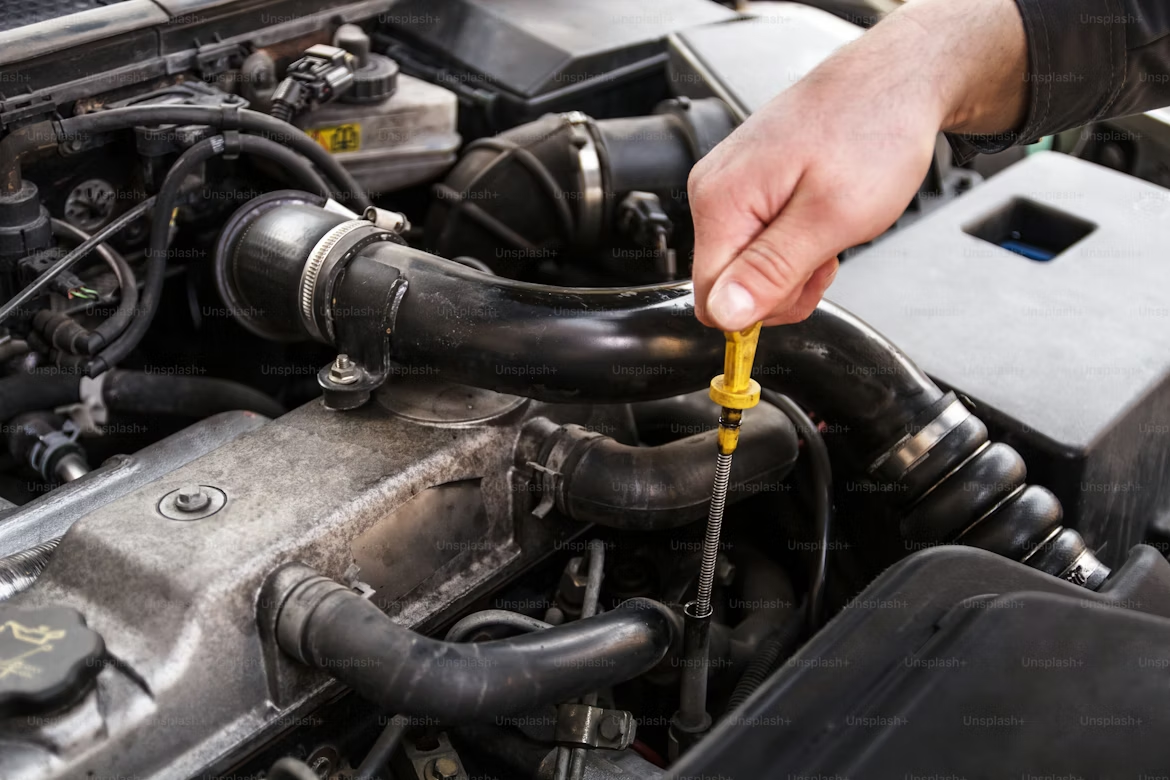
Cold weather amplifies the importance of fluid quality and viscosity selection. Engine oil with the correct winter rating flows faster during cold starts and reduces metal-to-metal wear. Coolant must maintain proper antifreeze concentration to prevent freezing and corrosion while preserving heat transfer efficiency. Windshield washer fluid formulated for sub-zero temperatures prevents frozen lines and ensures clear visibility during snow and road spray. Brake fluid gradually absorbs moisture, which increases corrosion risk and reduces braking consistency if neglected.
I once left summer washer fluid in the system too late into autumn and discovered frozen lines during the first snowfall. Since then, seasonal fluid checks have become a standard part of my preparation checklist.
Improving Visibility and Lighting Safety During Winter Driving
Winter driving often involves low sunlight angles, fog, snow, and dirty road spray. Headlights should remain clean and properly aligned to maximize illumination distance and contrast. Wiper blades stiffen in cold temperatures, reducing their ability to clear snow and salt residue effectively. Defrosters and cabin air filters must function properly to prevent interior fog buildup and maintain clear windshield visibility. Reliable visibility directly improves reaction time and reduces fatigue during long winter commutes.
Protecting the Vehicle Exterior from Salt and Corrosion
Road salt and moisture accelerate oxidation on exposed metal surfaces and damage paint coatings over time. Regular washing removes corrosive residue from the body panels and undercarriage. Wax or paint sealants add a protective layer that slows moisture penetration and surface degradation. Door seals benefit from silicone lubrication, which prevents freezing and tearing during repeated door openings.
After neglecting winter washes one season, I noticed early surface rust forming on suspension hardware, reinforcing how quickly corrosion can develop when salt remains untreated.
Building Emergency Preparedness for Cold Weather Travel
Unexpected weather changes and traffic delays make winter preparedness essential. A basic emergency kit improves safety during breakdowns or road closures and provides practical support until assistance arrives. Maintaining adequate fuel levels prevents fuel line freezing and ensures sufficient cabin heating during extended stops.
Driving Habits That Reduce Mechanical Stress in Winter
Smooth driving behavior reduces traction loss and drivetrain stress under slippery conditions. Gentle throttle application and progressive braking preserve tire grip and stability. Allowing brief warm-up time improves oil circulation without excessive idling. Avoiding frequent short trips reduces moisture accumulation in the exhaust and crankcase ventilation system. Sheltered parking minimizes overnight ice buildup and limits prolonged cold exposure.
Keeping Your Vehicle Reliable Throughout the Winter Season
Consistent winter car care protects mechanical systems, preserves exterior condition, and improves overall driving safety. Cold temperatures affect batteries, tires, fluids, visibility systems, and corrosion resistance simultaneously. By maintaining proper lubrication, monitoring tire pressure, protecting against salt exposure, and adopting disciplined driving habits, drivers can navigate winter conditions confidently while extending vehicle lifespan and resale value.